
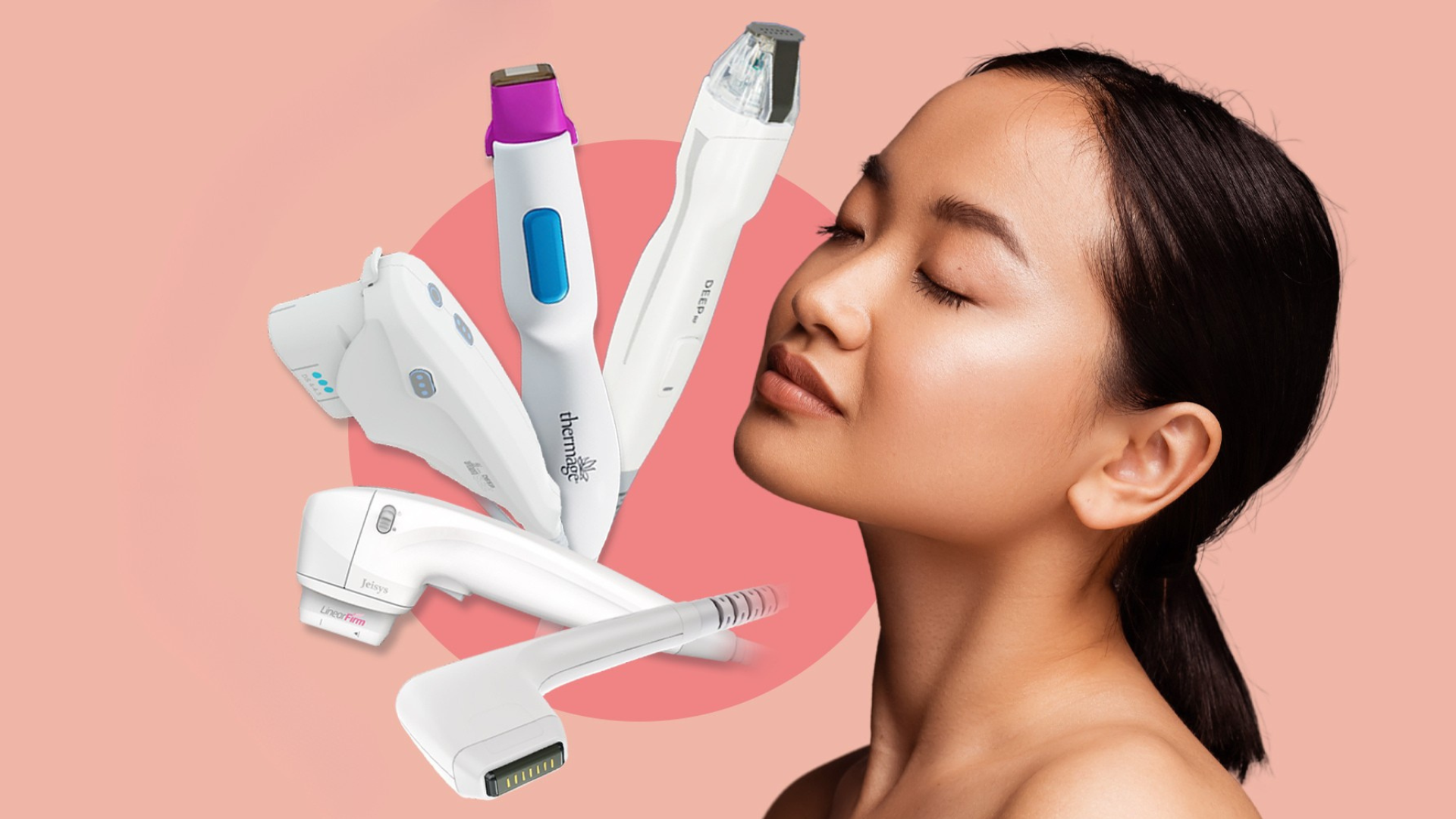
Non-Surgical Skin Tightening in Boise: XERF, Fotona 4D & Other Options Compared
If you’ve started researching skin tightening in Boise, you’ve probably noticed a growing list of non-surgical options — radiofrequency treatments, laser systems, combination modalities, and even at-home devices. With the rise of next-generation technologies like XERF and long-standing systems like Fotona 4D, it can feel overwhelming to understand what actually works, how each treatment differs, and which option is right for your skin goals. Boise clients often want visible tightening without downtime, needles, or surgery, especially around the jawline, neck, lower face, and stomach. This guide compares today’s top skin-tightening treatments, explains how each technology works, and helps you understand the pros, limitations, and ideal candidates for each.
Why Skin Tightening Is in High Demand in Boise
Boise’s climate — dry air, high altitude, and strong sun exposure — accelerates collagen breakdown earlier than many expect. Add in weight fluctuations, aging, and active outdoor lifestyles, and it’s no surprise that many clients experience laxity along the jawline, neck, cheeks, stomach, or arms. Non-surgical skin tightening offers a way to restore firmness and contour without downtime, making it one of the most requested aesthetic categories in the Treasure Valley.
Understanding How Non-Surgical Skin Tightening Works
All effective tightening treatments share one core principle: controlled heat stimulation. Whether delivered through RF, laser, or ultrasound, these technologies create thermal energy deep within the skin. This heat contracts existing collagen fibers and triggers the production of new collagen and elastin. The result is firmer, smoother, more lifted skin over time — without incisions or anesthesia. The difference between technologies comes down to depth, comfort, mechanism, and longevity.
XERF — The Newest Multi-Layer RF Tightening Technology
XERF has quickly become one of the most talked-about options for skin tightening in Boise because it targets multiple layers of the skin, including the SMAS — the same layer tightened during a surgical facelift. This dual-frequency monopolar RF device provides deep structural lift with minimal discomfort and no downtime. Boise clients appreciate the blend of immediate results (from collagen contraction) and long-term remodeling that continues for months. Ideal for: jawline definition, early jowls, cheek lifting, neck tightening, and mild body laxity.
Fotona 4D — Laser Tightening From the Inside Out
Fotona 4D is a multi-step laser system designed to rejuvenate the skin through combined intraoral tightening, fractional regeneration, deep heating, and a gentle resurfacing peel. While XERF focuses on the deeper structural layers, Fotona 4D addresses everything from texture to volume loss to superficial crepiness. Its inside-out approach creates natural lift, improved texture, and a brighter complexion. Ideal for: clients wanting both tightening and skin-quality improvement.
Traditional RF Skin Tightening — A Well-Known, Surface-Level Approach
Older-generation RF devices heat the dermis to stimulate collagen. These treatments can provide moderate tightening but typically require multiple sessions and may be less comfortable. While still beneficial for certain clients, their results often don’t reach the deeper layers responsible for significant contour changes. Ideal for: mild laxity or clients looking for gentle maintenance.
Ultrasound-Based Tightening — Deep Energy With Higher Discomfort
Ultrasound devices (like Ultherapy) deliver intense focused energy deep into the SMAS layer, creating lift over time. However, they are known for causing discomfort, and results can be inconsistent depending on provider skill and device settings. Some clients prefer RF-based devices like XERF because they offer deeper penetration with better comfort and faster visible improvement. Ideal for: clients who tolerate heat well and want long-term lift.
Which Option Works Best for the Neck and Jawline?
Sagging around the jawline, jowls, and neck requires deeper collagen stimulation. XERF excels in these areas due to its SMAS-level reach. Fotona 4D also provides excellent neck and lower-face rejuvenation through deep heating and intraoral tightening. Traditional RF and ultrasound can help, but their comfort levels and predictability vary. Boise clients often choose XERF or Fotona depending on whether they want structural lift (XERF) or multi-layer rejuvenation (Fotona).
Skin Tightening for the Stomach, Arms & Body Areas
Weight fluctuations, postpartum changes, and aging make the stomach and arms top treatment areas. XERF’s ability to penetrate deeper layers makes it a strong candidate for tightening loose skin on the body, especially after weight loss. Fotona’s PIANO® mode can also firm these areas, though results are typically more subtle. Clients wanting firmer skin without surgery often combine treatments for optimal outcomes.
What to Expect During a Skin Tightening Treatment
Most treatments involve gradual warming or deep heat sensations, depending on the technology used. XERF feels warm with cooling bursts, Fotona provides pulsing heat with minimal discomfort, and ultrasound-based treatments often feel more intense. Sessions range from 20–50 minutes, with little to no downtime afterward. Most clients return to daily life immediately, making these treatments ideal for Boise’s busy, active population.
How Many Sessions You’ll Need and When Results Appear
Skin tightening results build gradually. XERF often shows immediate tightening with progressive improvement over 4–12 weeks. Fotona 4D offers both instant glow and deep collagen remodeling, with best results after a series. Traditional RF usually requires more sessions, while ultrasound treatments take months to show final outcome. Your provider will recommend the right plan based on laxity level and desired results.
Frequently Asked Questions
Which skin tightening treatment works fastest?
XERF often provides immediate tightening due to collagen contraction.
Which treatment works best for deep sagging?
XERF or ultrasound-based devices, depending on comfort and goals.
Does skin tightening hurt?
Most modern RF and laser devices are comfortable; ultrasound is more intense.
How long do results last?
Most tightening results last 12–18 months with good skincare and maintenance.
Let Boise’s Experts Help You Glow
Non-surgical skin tightening has evolved dramatically — offering Boise clients real lift, better skin quality, and long-term collagen rebuilding without surgery or downtime.
If you’re unsure whether XERF, Fotona 4D, or another tightening option is best for your goals, our team can evaluate your skin and create a customized plan. Reach out today or book your consultation.

